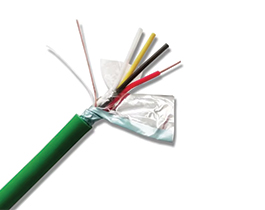
The KNX bus cable or KONNEX cable is a European installation fieldbus BUS cable that is compatible with KNX systems. It was previously known as EIB. It is a component of "green" building control systems and intelligent building technology, enhancing comfort while lowering operating expenses and the carbon footprint.
At Synfra IT, we understand the importance of using high-quality cables to ensure the reliability and longevity of KNX building/home automation systems. We offer a variety of KNX bus cables designed to meet the needs of different installation environments, such as standard, plenum, and outdoor cables.
What is a KNX Bus Cable?
KNX bus cable is a type of cable used in building automation systems to connect different devices such as sensors, actuators, and controllers. It forms the backbone of the KNX system, which is a standardized communication protocol used for home and building automation.
KNX bus cables are designed to carry low-voltage signals and power over long distances with minimal signal loss or interference. It typically consists of a twisted pair of wires shielded with a protective jacket to prevent external interference.
How does a KNX Bus Cable Work?
At Synfra IT, our KNX bus cables work by facilitating communication between different devices in a building automation system. Each device in the KNX system is connected to the bus cable, and each device has a unique address that identifies it on the network.
Here are some features KNX bus cables offer:
- KNX bus cables transmit data and power within a KNX home automation system.
- They use a twisted pair design to reduce signal interference and ensure reliable communication.
- They typically have a solid copper conductor and a low smoke, zero halogen (LSZH) sheath for safety in case of fire.
- They are available in a variety of designs, including standard, plenum, and outdoor cables, to accommodate a variety of installation settings.
- They come in different sizes, such as 1.5 mm², 2.5 mm², and 4 mm², depending on the required power and data transmission needs.
- They are compatible with a wide range of KNX devices, including sensors, actuators, and controllers.
Overall, the KNX bus cable forms the backbone of the KNX system and enables devices to communicate and work together to control and monitor various building functions such as lighting, heating, and security.
What are the Benefits of a KNX Bus Cable?
Flexibility: KNX bus cable is flexible and easy to install, which makes it suitable for both new and existing buildings. It can be installed in a variety of configurations, including star, bus, and mixed topologies, to suit different building layouts.
Interoperability: Since the KNX bus cable makes use of a standard communication protocol, devices made by different manufacturers can seamlessly collaborate on the same network. This makes it simple to integrate new devices with existing ones and add new devices to the system.
Scalability: KNX bus cables are scalable, which means that they can support small and large building automation systems alike. As the needs of the building change, the system can be expanded or modified easily by adding or removing devices.
Efficiency: They are made to carry power and signals with low voltages, which is why they use less energy and are less likely to cause electrical hazards. It also allows devices to communicate with one another without the need for a centralized controller as it supports communication in both directions.
Reliability: The KNX bus cable is dependable and capable of operating over extended distances without losing signal or becoming obstructed. Additionally, it has built-in error detection and correction mechanisms that aid in ensuring the accurate and dependable transmission of data.
Overall, with the help of Synfra IT experts, the use of a KNX Bus Cable in Dubai for building/home automation systems can result in increased energy efficiency, improved comfort and convenience, and reduced maintenance costs.
Our team of experienced professionals has the knowledge and expertise to handle all aspects of installation, from selecting the right cables for the job, to properly terminating and testing the cables for optimal performance. Get in touch with us for reliable and efficient KNX bus cable solutions that meet their specific needs and requirements.
KNX Bus Cable in Dubai
Modern buildings are becoming smarter, more efficient, and more connected. Automation systems now control lighting, HVAC, security, and energy usage through integrated communication networks. KNX technology plays a crucial role in this transformation. Reliable cabling ensures these systems operate smoothly, enabling intelligent control across residential, commercial, and industrial environments.
Understanding the Technology of KNX Bus Cable in Dubai
KNX is an international standard for building automation that enables communication between different smart devices within a building. The cable acts as the communication backbone, connecting sensors, controllers, and actuators across the network.
When organizations implement KNX bus cable in Dubai, they create a reliable pathway for transmitting control signals across automation devices. This ensures synchronized operation of lighting systems, HVAC units, blinds, and security systems.
Key Characteristics of KNX Bus Cable
KNX cables are specifically designed for automation communication networks. Their structure supports consistent signal transmission across long distances without interference.
Important characteristics include:
- Twisted pair construction for stable data transmission
- Shielding that minimizes electromagnetic interference
- High reliability for continuous system communication
- Compatibility with KNX-certified devices and controllers
- Long operational lifespan in structured building environments
These cables help maintain consistent automation performance across multiple connected systems.
Safety and Reliability in Automation Cabling
Automation networks operate continuously and must maintain consistent communication between connected devices. KNX cables are designed to support safe and reliable operation across building infrastructure, ensuring that automation systems function without interruption.
Important Safety Features
KNX cables are engineered with protective features that support stable building automation networks.
Key safety features include:
- Insulation materials that protect internal conductors
- Reduced signal interference for consistent communication
- Durable outer jackets for long-term installations
- Compatibility with international automation standards
- Reliable performance across complex building infrastructures
These features help maintain safe and dependable automation communication across connected systems.
Why Reliable KNX Bus Cable in Dubai Matters for Smart Buildings
Smart buildings rely on communication networks that connect hundreds of devices. Without reliable infrastructure, automation systems may experience communication delays or system failures.
Businesses and property developers implementing KNX bus cable ensures that their automation infrastructure supports reliable device communication and centralized control.
Operational Benefits of Reliable Cabling
Reliable cabling infrastructure improves automation system performance and building efficiency.
Key advantages include:
- Stable communication between automation devices
- Reduced system downtime and maintenance issues
- Efficient integration of lighting, HVAC, and security systems
- Scalability for future building expansions
- Improved energy management and operational efficiency
These benefits make KNX infrastructure an essential component of intelligent building design.
Components Connected Through KNX Bus Networks
KNX systems integrate multiple building functions through a single communication network. The bus cable acts as the link connecting all automation devices.
Common Devices Connected in KNX Systems
Various building systems rely on KNX communication networks.
Typical connected components include:
- Lighting control modules and dimming systems
- HVAC and climate control devices
- Motion sensors and occupancy detectors
- Curtain and blind control systems
- Security and access control solutions
Using KNX bus cable allows these systems to communicate through a unified automation platform.
Applications of KNX Bus Cable in Dubai Buildings
Dubai’s rapid development and focus on smart infrastructure have increased the demand for advanced automation technologies. KNX networks support modern building management systems used across multiple industries.
Where KNX Cabling is Commonly Installed
Automation networks powered by KNX cabling are widely used in different environments.
Typical applications include:
- Commercial office buildings
- Hotels and hospitality properties
- Residential smart homes
- Retail complexes and shopping malls
- Industrial and warehouse facilities
These installations require durable and reliable communication cables to support automated building operations.
Integration with Building Management Systems
KNX technology is widely used alongside modern Building Management Systems (BMS). This integration allows building operators to monitor and control multiple infrastructure components from a centralized platform.
How KNX Supports Centralized Control
Automation networks powered by KNX technology simplify building management.
Common integration benefits include:
- Centralized monitoring of lighting and climate systems
- Automated responses based on occupancy and schedules
- Real-time control of building devices
- Improved operational visibility for facility managers
- Simplified maintenance and system management
This integration allows buildings to operate more efficiently while maintaining reliable automation communication.
Types of KNX Bus Cables Used in Automation Systems
Different building environments require specific cable types depending on installation conditions and safety requirements.
Common KNX Cable Variants
Several cable variations are available to support different building infrastructures.
Common types include:
- Standard KNX twisted pair cables for indoor installations
- Plenum-rated cables for air-handling spaces
- Low-smoke cables for safety-critical environments
- Outdoor-rated cables for external installations
- Shielded cables for environments with high electromagnetic interference
Selecting the right KNX bus cable in Dubai ensures optimal communication reliability across automation systems.
Installation Considerations for KNX Infrastructure
Installing automation cabling requires careful planning to ensure system reliability and scalability. Proper cable routing, termination, and testing play a critical role in network performance.
Important Installation Factors
Structured planning helps maintain organized and efficient automation networks.
Installation best practices include:
- Designing cable routes to avoid electrical interference
- Maintaining recommended cable lengths and topology
- Using certified connectors and accessories
- Ensuring proper grounding and shielding
- Conducting thorough testing before system commissioning
Following these practices improves long-term reliability for automation infrastructure.
Maintenance and Long-Term System Performance
Even well-designed automation networks require proper maintenance to ensure long-term reliability. Periodic inspections and testing help identify potential issues before they affect building operations.
Recommended Maintenance Practices
Routine monitoring keeps automation infrastructure operating efficiently.
Common maintenance practices include:
- Inspecting cable routes for physical damage
- Verifying proper device communication within the network
- Testing signal stability across connected systems
- Updating automation controllers and software when required
- Ensuring proper cable termination and connection stability
Regular maintenance helps maintain consistent communication across automation systems.
Role of Professional Cabling Experts
Automation infrastructure must be installed by experienced technicians who understand both structured cabling and building automation systems.
At Synfra IT, our team of highly skilled technicians delivers structured cabling and automation infrastructure solutions designed for modern smart buildings.
Advantages of Professional Installation
Professional installation ensures reliable communication across connected automation devices.
Benefits include:
- Accurate cable routing and termination
- Compliance with international automation standards
- Improved system reliability and performance
- Faster troubleshooting and maintenance
- Scalable infrastructure for future upgrades
Organizations investing in KNX bus cable benefit from experienced technicians who understand complex automation environments.
Supporting Energy-Efficient Smart Buildings
One of the primary advantages of KNX automation systems is their ability to improve energy efficiency and reduce operational costs. By connecting building devices through intelligent communication networks, automation systems optimize energy consumption.
These systems allow automated adjustments based on occupancy, time schedules, and environmental conditions, helping buildings operate more efficiently while maintaining comfort and reducing unnecessary power usage.
Energy Management Benefits
KNX-based automation improves energy efficiency across building operations.
Examples include:
- Automated lighting based on occupancy
- Intelligent temperature control for HVAC systems
- Smart scheduling for energy usage
- Integration with renewable energy sources
- Centralized monitoring of building performance
These features help organizations maintain sustainable and energy-efficient facilities.
KNX Automation and Future Smart Infrastructure
As smart building technologies continue evolving, automation networks will play a central role in digital infrastructure. Reliable communication cabling will remain a key requirement for integrating new devices and technologies.
Future Trends in Building Automation
Modern buildings are increasingly adopting intelligent automation systems.
Emerging trends include:
- Integration with IoT-enabled devices
- Advanced building analytics and monitoring
- Smart lighting and climate control systems
- Remote building management platforms
- Scalable automation networks for expanding infrastructure
Reliable KNX bus cable installations help buildings adapt to these technological advancements.
Selecting the Right KNX Cabling Partner
Implementing automation infrastructure requires both high-quality cabling products and experienced installation professionals. Choosing the right partner ensures the entire automation network performs reliably from installation through long-term operation.
Factors to Consider When Choosing a Cabling Provider
Organizations should evaluate several factors when selecting a KNX cabling provider.
Important considerations include:
- Experience in structured cabling and automation infrastructure
- Knowledge of KNX communication standards
- Ability to design scalable automation networks
- Professional installation and testing services
- Long-term technical support and maintenance capabilities
Selecting an experienced infrastructure partner ensures the successful deployment of automation networks.
Why Businesses Choose Synfra IT
Synfra IT provides structured cabling and IT infrastructure solutions designed to support modern automation systems. Organizations across Dubai rely on professional cabling services to maintain reliable building communication networks.
Our Infrastructure Expertise
Our solutions are designed to support the growing demand for smart building technology.
Our services include:
- Structured cabling installation
- Network infrastructure planning
- Automation cabling solutions
- Data center cabling systems
- Maintenance and infrastructure upgrades
With reliable installation and professional expertise, businesses can implement advanced automation networks that improve efficiency and operational control.
Building Reliable Smart Infrastructure with KNX Technology
Smart building technologies continue transforming the way modern facilities operate. Automation systems depend on reliable communication networks to connect devices and control building operations efficiently.
By implementing high-quality KNX bus cable in Dubai, organizations can create stable automation infrastructures that support intelligent lighting, climate control, security systems, and energy management.
With professional installation and structured cabling expertise, businesses can ensure their automation networks remain reliable, scalable, and ready for future technological advancements.
Frequently Asked Questions
A KNX bus cable is used in building automation systems to connect devices such as lighting controllers, HVAC systems, sensors, and security equipment. It allows these devices to communicate through a unified automation network.
KNX cabling acts as the communication backbone for automation systems. It ensures reliable data transmission between connected devices, enabling efficient control of lighting, climate, and other building systems.
KNX bus cables are commonly installed in commercial buildings, hotels, residential smart homes, retail spaces, and industrial facilities where centralized automation and device communication are required.
KNX networks connect multiple automation devices including lighting controllers, HVAC systems, motion sensors, blinds, and access control systems, allowing centralized control across the building.
KNX cables typically feature twisted pair conductors, strong insulation, interference shielding, and compatibility with KNX-certified automation devices for reliable communication performance.
KNX automation helps reduce energy consumption by automatically controlling lighting, heating, and cooling systems based on occupancy, schedules, and environmental conditions.
Yes, KNX technology can integrate with Building Management Systems (BMS), allowing centralized monitoring and control of multiple building functions from a single platform.
Common KNX cable types include standard twisted pair cables, plenum-rated cables, low-smoke cables, outdoor cables, and shielded variants for environments with higher interference.
Professional installation ensures proper cable routing, termination, and compliance with automation standards, helping maintain reliable communication and long-term system performance.
Synfra IT provides structured cabling and automation infrastructure solutions, including installation, network planning, and maintenance services to support reliable KNX communication networks.